

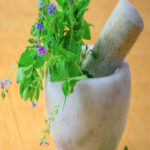
Toxocariasis is the parasitic disease caused by the larvae of two species of Toxocara roundworms: Toxocara canis from dogs and, less commonly, Toxocara cati from cats. Toxocariasis is considered one of the Neglected Parasitic Infections, a group of five parasitic diseases that have been targeted by CDC for public health action.
Causes
Dogs and cats that are infected with Toxocara can shed Toxocara eggs in their feces. Adults and children can become infected by accidentally swallowing dirt that has been contaminated with dog or cat feces that contain infectious Toxocara eggs. Although it is rare, people can also become infected from eating undercooked meat containing Toxocara larvae (www.cdc.gov).
Prevention
- Take your pets to the veterinarian to prevent infection with Toxocara. Your veterinarian can recommend a testing and treatment plan for deworming.
- Wash your hands with soap and water after playing with your pets or other animals, after outdoor activities, and before handling food or eating.
- Teach children the importance of washing hands to prevent infection.
- Do not allow children to play in areas that are soiled with pet or other animal feces.
- Clean your pet’s living area at least once a week. Feces should be either buried or bagged and disposed of in the trash. Wash your hands after handling pet waste.
- Teach children that it is dangerous to eat dirt or soil (www.cdc.gov).
Treatment
Visceral toxocariasis can be treated with antiparasitic drugs such as albendazole or mebendazole. Treatment of ocular toxocariasis is more difficult and usually consists of measures to prevent progressive damage to the eye.
Here is a list of some of the most effective natural remedies to treat parasite infections:
Garlic: Allicin, the active ingredient in garlic, has been shown to have numerous antiviral, antibacterial, and anti-parasitic qualities. Adding garlic to your meals, or more concentrated garlic powder, can quickly help treat hookworms, roundworms and tapeworms, as well as any other parasites in the body. Unlike many other home remedies, Garlic should be easily accessible in most places around the world (cabdirect.org).
Thyme: an effective home remedy for many afflictions, and the powerful active ingredients in thyme (including thymol) have proven anti-parasitic properties. The herb is also safe to eat for animals and is widely available in many parts of the world(Journal of Herbal Pharmacotherapy).
Wormwood: Roundworms, such as toxocariasis, and pinworms can be treated by wormwood. Thujone is one of the main active constituents within wormdwood. Thujone is also known as absinthol. If this makes you think of the liquor absinthe, it is because thujone is the basis of absinthe. The challenge with wormwood is that it has a very low therapeutic margin, which means that it is beneficial at a low dose, and can turn toxic if over consumed, even in slight amounts. For this reason, pregnant women, lactating women, children, and elderly should not consume wormwood.
Supportive Links:
“Highlights of human toxocariasis.” The Korean Journal of Parasitology 39.1 (2001): 1.
https://www.ncbi.nlm.nih.gov/pmc/articles/PMC2721060/
“Neglected parasitic infections in the United States: toxocariasis.” The American journal of tropical medicine and hygiene 90.5 (2014): 810-813.
https://www.ajtmh.org/content/journals/10.4269/ajtmh.13-0725 “Human toxocariasis: current advances in diagnostics, treatment, and interventions.” Trends in parasitology 30.9 (2014): 456-464.
https://www.sciencedirect.com/science/article/abs/pii/S147149221400124X
Note: “Western Pharmaceutical” is defined as a system in which medical doctors and other healthcare professionals (such as nurses, pharmacists, and therapists) treat symptoms and diseases using drugs, radiation, or surgery. Quote from National Cancer Institute: http://www.cancer.gov




0 Comments