


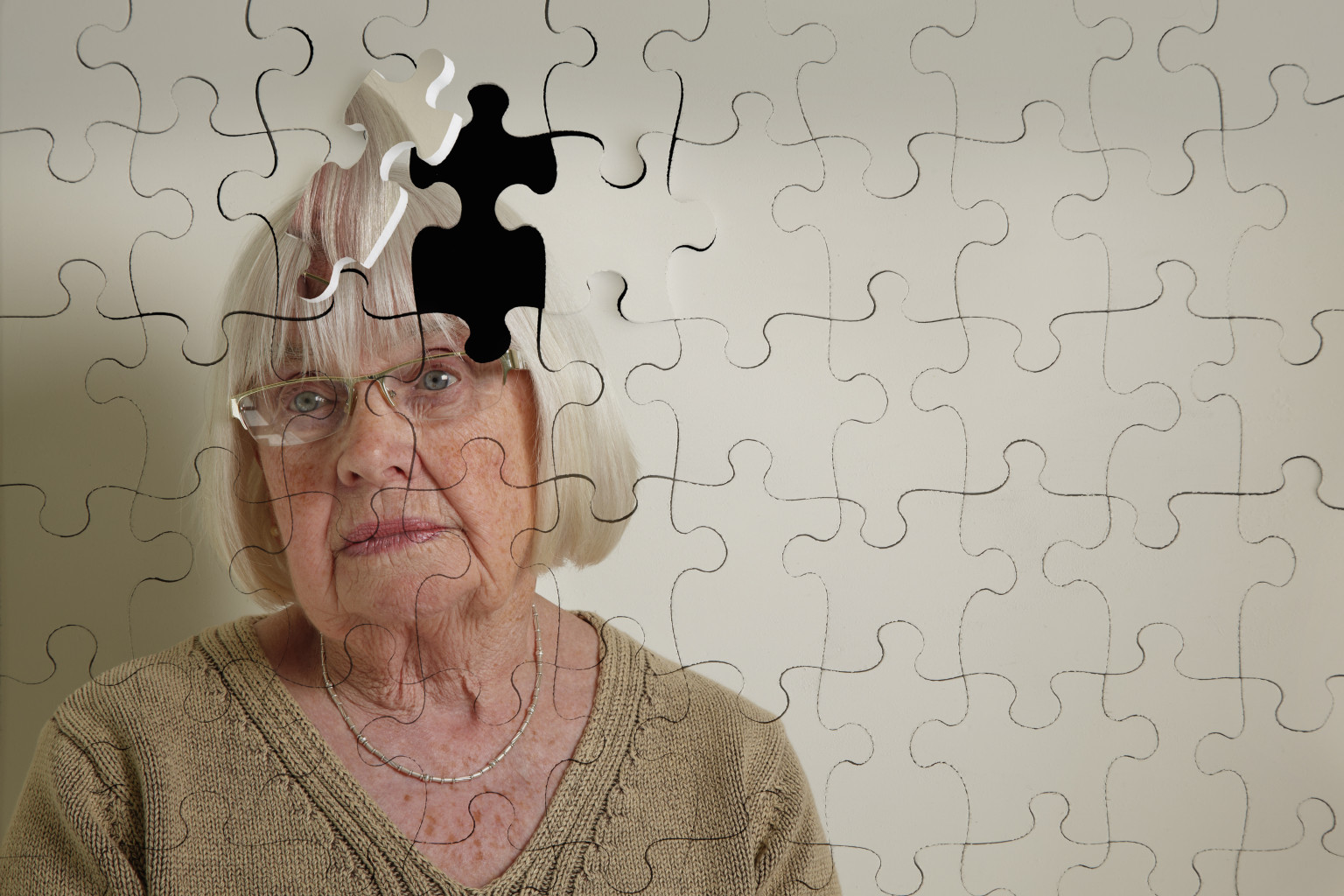
The neurodegenerative disorder Alzheimer’s disease is becoming more prevalent in aging populations worldwide (JAMA). Alzheimer’s disease is the most common form of neurodegenerative dementia and affects up to 15 million people worldwide. According to the Alzheimer’s Association, dementia is a general term for loss of memory, language, problem-solving, and other thinking abilities that are severe enough to interfere with daily life.
Mild alzheimer’s disease symptoms
In mild Alzheimer’s disease a person may seem to be healthy but has more and more trouble making sense of the world around him or her. The realization that something is wrong often comes gradually to the person and his or her family. Problems can include:
- Memory loss
- Poor judgment leading to bad decisions
- Loss of spontaneity and sense of initiative
- Taking longer to complete normal daily tasks
- Repeating questions
- Trouble handling money and paying bills
- Wandering and getting lost
- Losing things or misplacing them in odd places
- Mood and personality changes
- Increased anxiety and/or aggression
Alzheimer’s disease is often diagnosed at this stage.
Natural Ways to combat Alzheimer’s disease
As of now, there are no clear ways to cure Alzheimer’s disease or dementia. The American Journal of Alzheimer’s Disease & Other Dementias, explains that treatments for symptoms are available but that no known Alzheimer’s treatment can stop Alzheimer’s from progressing, there are treatments that can temporarily slow the worsening of dementia symptoms and improve quality of life for those with Alzheimer’s and their caregivers.
Non-drug approaches
Non-drug approaches to managing behavior symptoms promote physical and emotional comfort. Many of these strategies aim to identify and address needs that the person with Alzheimer’s may have difficulty expressing as the disease progresses. Non-drug approaches should always be tried first.
Steps to developing successful non-drug treatments include:
- Recognizing that the person is not just “acting mean or ornery,” but is having further symptoms of the disease.
- Identifying the cause and how the symptom may relate to the experience of the person with Alzheimer’s.
- Changing the environment to resolve challenges and obstacles to comfort, security, and ease of mind.
Coping tips
- Monitor personal comfort. Check for pain, hunger, thirst, constipation, full bladder, fatigue, infections, and skin irritation. Maintain a comfortable room temperature.
- Avoid being confrontational or arguing about facts. For example, if a person expresses a wish to go visit a parent who died years ago, don’t point out that the parent is dead. Instead, say, “Your mother is a wonderful person. I would like to see her too.”
- Redirect the person’s attention. Try to remain flexible, patient, and supportive by responding to the emotion, not the behavior.
- Create a calm environment. Avoid noise, glare, insecure space, and too much background distraction, including television.
- Allow adequate rest between stimulating events.
- Provide a security object.
- Acknowledge requests, and respond to them.
- Look for reasons behind each behavior. Consult a physician to identify any causes related to medications or illness.
- Explore various solutions.
- Don’t take the behavior personally, and share your experiences with others.
Alternative Medications
- Coenzyme Q10, or ubiquinone, is an antioxidant that occurs naturally in the body and is needed for normal cell reactions. This compound has not been studied for its effectiveness in treating Alzheimer’s but does occur naturally in the herb Organic Rooibos.
- Ginkgo biloba is a plant extract containing several compounds that may have positive effects on cells within the brain and the body. Ginkgo biloba is thought to have both antioxidant and anti-inflammatory properties, to protect cell membranes and to regulate neurotransmitter function. Ginkgo has been used for centuries in traditional Chinese medicine and currently is being used in Europe to alleviate cognitive symptoms associated with a number of neurological conditions.
- Omega-3 is a type of polyunsaturated fatty acid (PUFA). Research has linked certain types of omega-3s to a reduced risk of heart disease and stroke. The U.S. Food and Drug Administration (FDA) permits supplements and foods to display labels with “a qualified health claim” for two types of omega-3 called docosahexaenoic acid (DHA) and eicosapentaenoic acid (EPA). The labels may state, “Supportive but not conclusive research shows that consumption of EPA and DHA omega-3 fatty acids may reduce the risk of coronary heart disease,” and then list the amount of DHA or EPA in the product. The FDA recommends taking no more than a combined total of 3 grams of DHA or EPA a day, with no more than 2 grams from supplements. Research has also linked a high intake of omega-3s to a possible reduction in the risk of dementia or cognitive decline. The chief omega-3 in the brain is DHA, which is found in the fatty membranes that surround nerve cells, especially at the microscopic junctions where cells connect to one another.
Click Here for 10 warning signs and symptoms for Alzheimer’s disease or dementia. If you notice any of them, don’t ignore them. Schedule a virtual appointment with Zen’s Medicine Staff CLICK HERE.
Supportive Links:
Mucke, Lennart. “Alzheimer’s disease.” Nature 461.7266 (2009): 895-897. Treatment of Alzheimer’s disease
https://www.nejm.org/doi/full/10.1056/NEJM199911253412207
“Treatment of Alzheimer’s disease.” New England Journal of Medicine 341.22 (1999): 1670-1679. Cholesterol in Alzheimer’s disease
https://www.sciencedirect.com/science/article/abs/pii/S1474442205702489
“Advances in the prevention of Alzheimer’s disease and dementia.” Journal of internal medicine 275.3 (2014): 229-250.
Note: “Western Pharmaceutical” is defined as a system in which medical doctors and other healthcare professionals (such as nurses, pharmacists, and therapists) treat symptoms and diseases using drugs, radiation, or surgery. Quote from National Cancer Institute: http://www.cancer.gov



0 Comments