

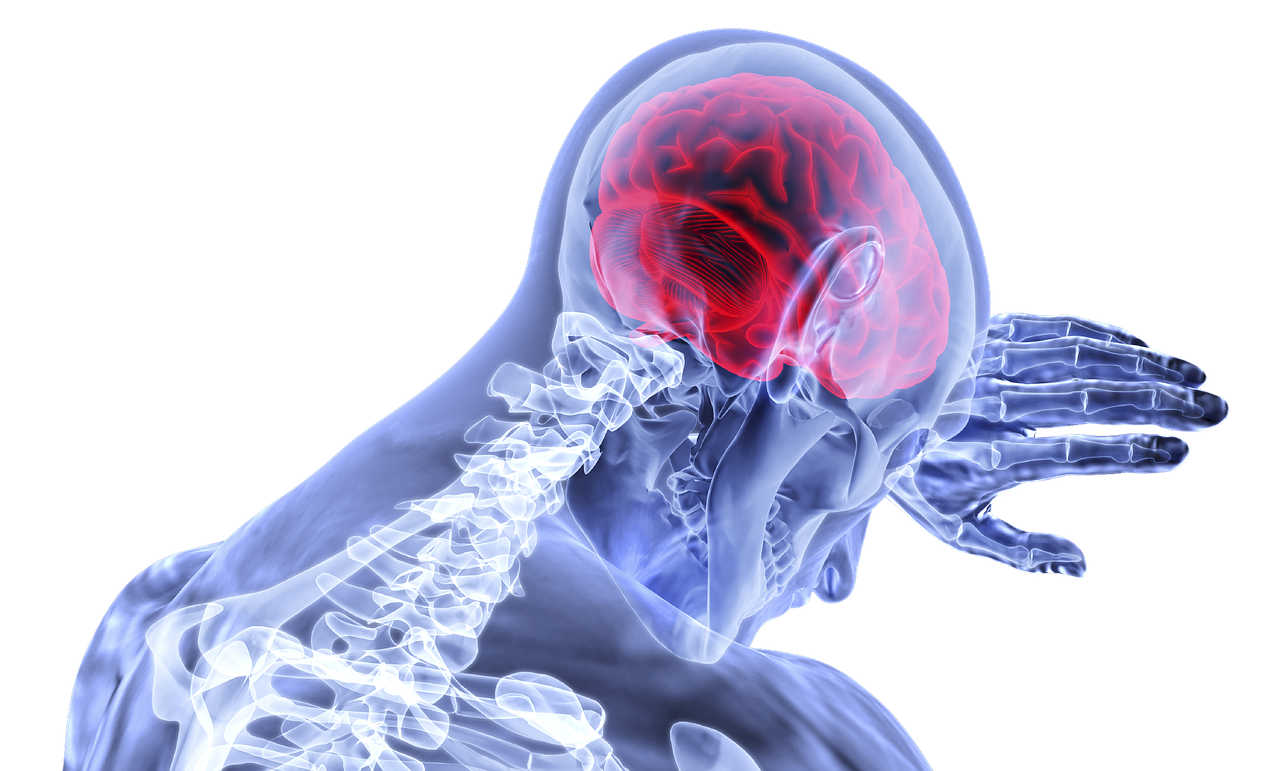
A stroke occurs when the blood supply to part of your brain is interrupted or reduced, preventing brain tissue from getting oxygen and nutrients. Brain cells begin to die in minutes.
Stroke is the fifth leading cause of death in the United States and is a major cause of serious disability for adults. About 795,000 people in the United States have a stroke each year. A stroke is a medical emergency, and prompt treatment is crucial. Early action can reduce brain damage and other complications.
- Trouble speaking and understanding what others are saying. You may experience confusion, slur your words or have difficulty understanding speech.
- Paralysis or numbness of the face, arm or leg. You may develop sudden numbness, weakness or paralysis in your face, arm or leg. This often affects just one side of your body. Try to raise both your arms over your head at the same time. If one arm begins to fall, you may be having a stroke. Also, one side of your mouth may droop when you try to smile.
- Problems seeing in one or both eyes. You may suddenly have blurred or blackened vision in one or both eyes, or you may see double.
- Headache. A sudden, severe headache, which may be accompanied by vomiting, dizziness or altered consciousness, may indicate that you’re having a stroke.
- Trouble walking. You may stumble or lose your balance. You may also have sudden dizziness or a loss of coordination.
Common controllable risk factors for stroke include:
- the use of alcohol or drugs, such as cocaine
- smoking
- a lack of exercise or physical activity
- a poor diet
- an unhealthy weight
- diabetes
- stress
- depression
- unhealthy cholesterol levels
- high blood pressure
- Pu-erh Green Tea: Pu-erh Tea contains antioxidants and other substances that might help protect the heart and blood vessels. There is interest in using pu-erh tea for lowering cholesterol because, unlike other teas, it contains small amounts of a chemical called lovastatin. Lovastatin is a prescription medicine used for lowering cholesterol. Investigators think that bacteria that sometimes contaminate pu-erh tea may somehow make the lovastatin in the course of their normal life cycle. Animal research suggests that pu-erh tea might lower certain blood fats called triglycerides as well as total and “bad” low-density lipoprotein (LDL) cholesterol. It might also raise “good” high density lipoprotein (HDL) cholesterol.”
- Pomegranate: Pomegranate concentrate is high in antioxidants and phytosterols, which are plant steroids that lower cholesterol. Taking pomegranate concentrate with low-dose statin therapy or the regular use of cholesterol-lowering drugs can help reduce cholesterol. It may also lessen a statin’s side effects, such as muscle pain.
- Gotu kola: This no caffeine herb has been known to improve blood circulation and swelling. Due to its ability to improve blood circulation, Gotu Kola Herb is also known to aid in the healing of minor wounds. Gotu Kola has also been shown to boost cognitive function in people who’ve had strokes.
- Yoga: Yoga is a good option for low-impact exercise. According to the Harvard Health Blog, research findings suggest that yoga may improve stroke recovery, especially for people with balance issues or fear of falling. Yoga promotes smooth physical movements, improved breathing, and mental focus that may have been lost after a stroke (www.health.harvard.edu).
- Manage your weight: Maintaining a healthy weight, and a healthy body fat ratio or body mass index (BMI), is a good way to manage many risk factors for stroke. If most of a person’s body fat rests around the waist instead of the hips, then they have a greater risk of heart disease and type 2 diabetes. Women with a waist size greater than 35 inches and men with a waist size greater than 40 inches also have a higher risk of these conditions, according to the National Heart, Lung, and Blood Institute (NHLBI).
Using CAM (Complementary and Alternative Medicine) treatments to manage controllable risk factors can be helpful for stroke prevention and recovery. Along with important lifestyle changes, treatments such as acupuncture or supplements can make a difference.
These treatments shouldn’t replace medical or surgical treatments, but they have the potential to help you reach certain health goals, such as lowering blood pressure. Tell your doctor if you’re considering CAM treatments. Some treatments may interact negatively with your medication.
Supportive Links:
“Early stroke treatment associated with better outcome: the NINDS rt-PA stroke study.” Neurology 55.11 (2000): 1649-1655.
https://n.neurology.org/content/55/11/1649.short
“Current status of endovascular stroke treatment.” Circulation 123.22 (2011): 2591-2601.
https://www.ahajournals.org/doi/full/10.1161/CIRCULATIONAHA.110.971564
“Stroke prevention and treatment.” Journal of the American College of Cardiology 56.9 (2010): 683-691.
Note: “Western Pharmaceutical” is defined as a system in which medical doctors and other healthcare professionals (such as nurses, pharmacists, and therapists) treat symptoms and diseases using drugs, radiation, or surgery. Quote from National Cancer Institute: http://www.cancer.gov



0 Comments